
7 September 2026
Futureproofing Your Home with Fine Fitted Furniture
Life changes, and the rooms in our homes change with it. Fine fitted furniture designed with flexibility in mind can adapt from home office to bedroom, nursery to teenager's study — remaining useful and beautiful for years to come.
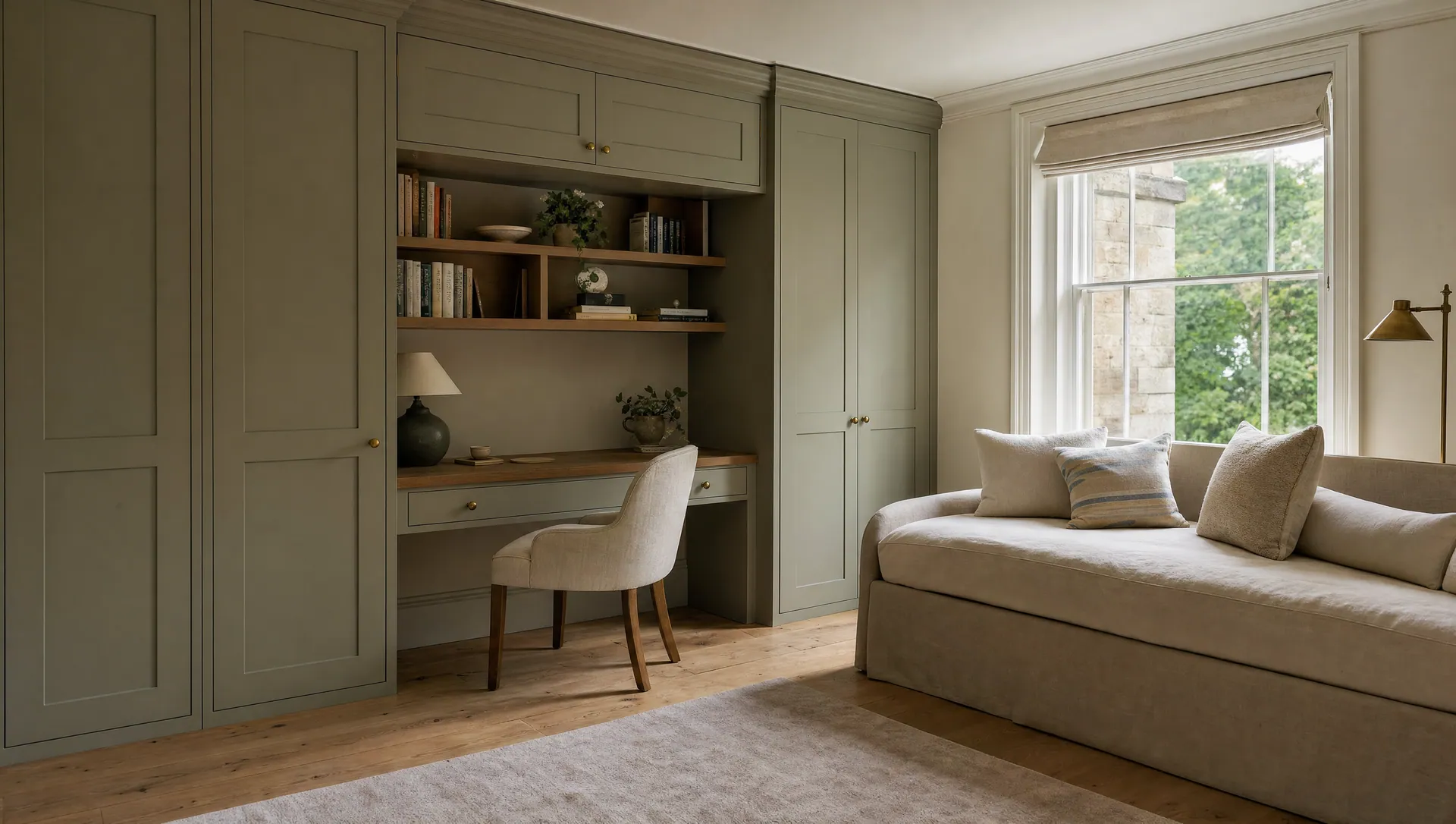
When investing in a beautifully designed home, it is tempting to design every room around how it will be used today. A home office is designed as an office, a children's bedroom as a nursery, and a spare room becomes a guest bedroom.
But life changes.
Families grow, children leave home, working arrangements evolve and our needs change over time. A room that is perfect for one purpose today may need to serve an entirely different role in five or ten years.
This is where carefully considered, fine fitted furniture can make a significant difference. Rather than designing a room for a single moment in time, thoughtful furniture design can create spaces that adapt, evolve and remain useful for years to come.
Designing for Today — and Tomorrow
Futureproofing doesn't mean trying to predict exactly what your home will need in the future. Instead, it means creating flexibility within the design.
A beautifully fitted room can have a primary purpose today while being capable of becoming something completely different tomorrow.
For example, a home office might initially be designed around a desk, shelving and storage for working from home. But if that room eventually becomes a child's bedroom, teenager's study or guest room, the fitted furniture can still have a purpose.
A well-designed desk could become a dressing table. Shelving can accommodate books, personal belongings or display items. Cupboards designed for office equipment can become wardrobe or general storage.
The furniture remains — but the way the room is used changes.
One Room, Multiple Possibilities
The most successful fitted furniture is often furniture that doesn't dictate how a room must be used.
Consider a spare room with a wall of bespoke cabinetry. Today, it might function as a home office and occasional guest room. A central desk could provide a practical workspace, while surrounding cupboards conceal office equipment and provide generous storage.
In the future, the desk could become a dressing area or study space, while the cabinetry continues to provide valuable storage.
Similarly, a built-in window seat can be a comfortable reading area today, a child's quiet space tomorrow, and simply an attractive architectural feature for years to come.
The important consideration is to avoid designing furniture so specifically that it becomes obsolete when the room's purpose changes.
Timeless Design Rather Than Passing Trends
Futureproofing isn't only about functionality. It is also about aesthetics.
Interior trends come and go. Colours, finishes, handles and decorative details that feel fashionable today may look dated in a few years.
Fine fitted furniture represents a significant investment, so choosing a timeless design can help ensure that it continues to sit comfortably within the home as tastes evolve.
This doesn't mean every room has to be neutral or characterless. Quite the opposite.
A timeless scheme can still have colour, texture and personality. The key is to use materials, proportions and colours that have longevity rather than relying too heavily on a short-lived trend.
Choosing Colour Carefully
Colour is one of the easiest ways to make fitted furniture feel either timeless or tied to a particular period.
Soft neutrals, natural timber tones, muted greens, blues, warm whites and sophisticated earthy colours can provide a versatile foundation. These shades can work with changing furnishings, artwork and accessories as the room evolves.
That doesn't mean avoiding stronger colours. A deep blue, rich green or warm terracotta can be incredibly timeless when used thoughtfully and paired with quality materials and classic detailing.
The goal is to create furniture that can accommodate changes around it.
A room can be refreshed relatively easily through curtains, rugs, artwork, lighting and accessories. Replacing an entire wall of fitted furniture is a very different proposition.
The Beauty of Bespoke Storage
One of the greatest advantages of fine fitted furniture is its ability to solve several problems at once.
A single run of cabinetry might incorporate wardrobes, drawers, shelving, a desk, concealed storage and display areas. Instead of creating separate pieces for each function, the furniture becomes an integrated part of the architecture.
This approach is particularly valuable in smaller rooms, where every centimetre matters.
It also creates visual calm. Doors can conceal everyday clutter, while open shelving can be reserved for books, artwork and objects that deserve to be seen.
Designing Around Changing Technology
Technology is another reason to think ahead.
A room designed around a particular computer, television or piece of equipment can quickly become outdated. Instead, fitted furniture can incorporate flexible cable management, concealed power points, adjustable shelving and cupboards that can accommodate changing equipment.
The technology may change, but the furniture remains relevant.
This is particularly important for home offices. A workspace might currently require multiple monitors and printers, but future working habits could be very different. Designing flexibility into the cabinetry means the room can adapt without requiring a complete redesign.
A Child's Room That Grows With Them
Children's rooms are perhaps one of the clearest examples of why futureproofing matters.
It can be tempting to design a nursery around a particular theme or age. However, a bespoke fitted bedroom can be designed to evolve from nursery to child's room and eventually into a teenager's bedroom.
Rather than incorporating highly specific themes into permanent furniture, consider using colour, artwork and accessories to create personality.
The fitted elements can remain sophisticated and adaptable, while the less permanent details change as the child grows.
A wardrobe, desk and shelving system installed at an early age can continue serving the room for many years.
Investment in Quality
Futureproofing also means considering longevity.
Fine fitted furniture should not simply look beautiful when it is installed. It should be made to withstand everyday use and remain appropriate as the home changes around it.
Quality materials, skilled craftsmanship, durable finishes and considered construction all contribute to longevity.
There is also something reassuring about knowing that a piece of furniture has been designed specifically for the space. It belongs to the architecture of the room rather than simply occupying it.
Design for the Life You Have — and the Life You May Have
The best interiors aren't necessarily those that predict the future perfectly. They are the ones that leave room for it.
A well-designed fitted room should work beautifully today while retaining enough flexibility to serve a different purpose tomorrow.
A home office can become a bedroom. A dressing area can become a study. A child's room can grow with its occupant. A guest room can become a creative studio. Storage can change from housing work equipment to clothing, books, hobbies or family belongings.
The furniture doesn't have to change dramatically. The way we use it can.
Timeless Furniture, Flexible Living
Futureproofing with fine fitted furniture is ultimately about making a considered investment.
Choose quality over fashion. Consider colour carefully. Use timeless proportions and materials. Incorporate flexibility wherever possible. And, most importantly, design each space with more than one possible future in mind.
When beautifully made fitted furniture is designed this way, it becomes more than storage. It becomes part of the long-term architecture of the home — adaptable enough to evolve with you, while remaining beautiful for years to come.